Rubber seals may look like simple parts. Yet they help many products work well every day. They cover edges and close open spaces where dirt or water may enter. Their shape and strength matter more than most people think. A seal that fits well can protect nearby parts and give a clean finish. Good design is only one part of the job. The right material and a steady supply also help makers keep their work on track.
Edges Need Better Protection
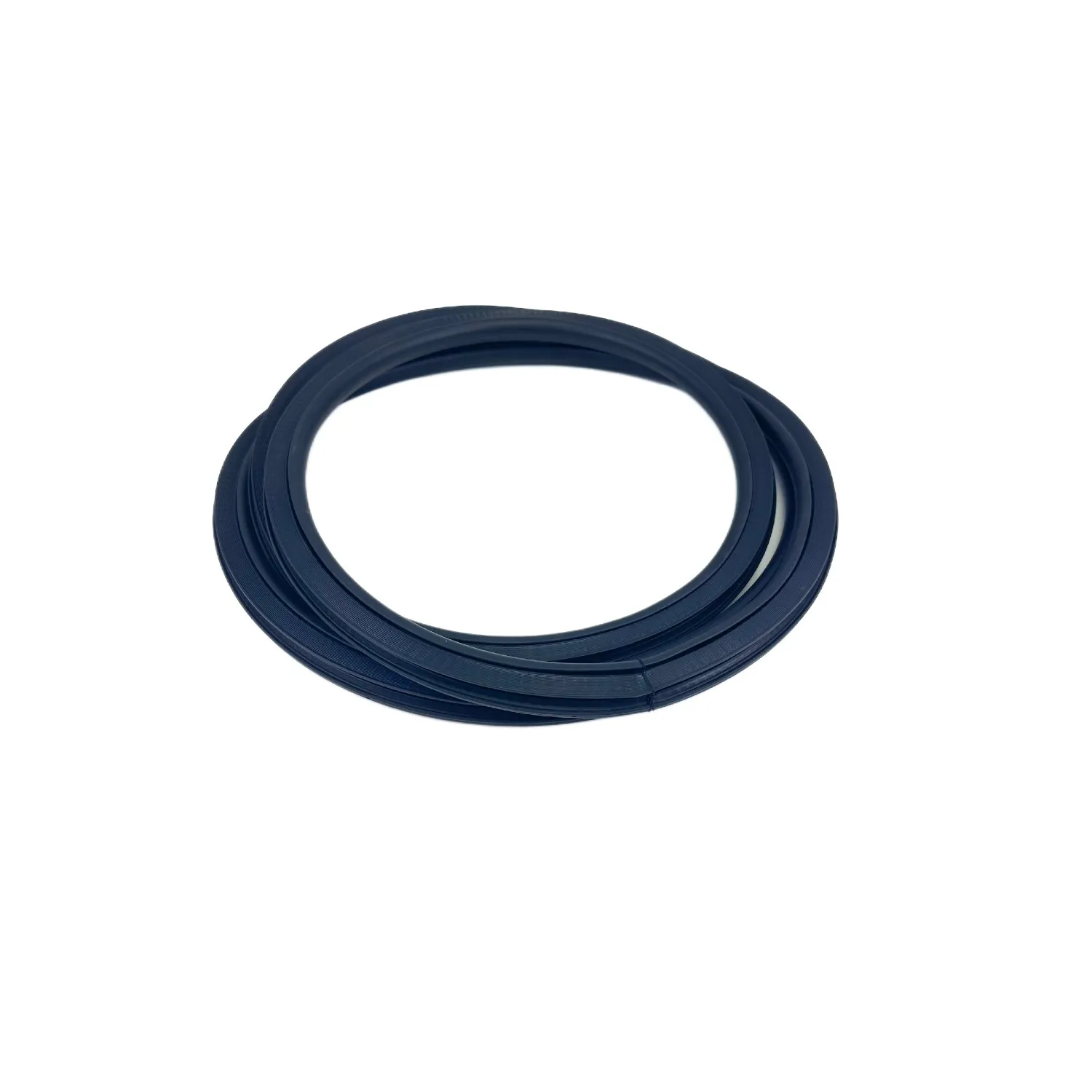
Trim seals help cover rough edges and protect areas where two surfaces meet. They can be used in vehicles and many other products that need a neat finish. A good seal should sit firmly without making fitting hard. It must also stay in place when parts move or face daily wear. This calls for careful work from the first design stage. A trim seals manufacturer must consider the shape of the edge and the way the seal will be used.
Design Begins With Purpose
Not every seal has the same job. Some must block water while others help reduce dust or stop parts from rubbing together. The shape must match the space where the seal will sit. A tight bend may need a soft and flexible profile. A wide edge may need more support. These small choices affect how well the part works. Clear design plans help avoid poor fit and waste. They also make it easier to create parts that meet the needs of each project.
Material Makes Its Mark
Rubber is useful because it can bend and return to its shape. But the right type depends on where the seal will be used. Heat and sunlight can affect some rubber blends. Oil and moisture may also cause wear. A seal used near a machine may face different stress from one fitted inside a vehicle. Makers must choose materials with care. The aim is simple. Each seal should suit its task and keep working under normal use.
Supply Must Stay Steady
A good product is not enough if parts do not arrive when needed. Factories rely on a steady flow of materials and finished components. A trusted rubber seals supplier can help keep work moving by offering parts that meet clear size and quality needs. Consistent supply also helps buyers plan stock and avoid delays. Each order should be checked for the right profile and material. Clear records and careful packing can make the process easier from dispatch to final use.
Quality Shows in Detail
A seal may fail because of one small flaw. An uneven edge or poor shape can affect the way it fits. Checks during production help spot these issues early. The part should be measured and reviewed before it is packed. Samples can also be tested in the space where they will be used. This gives makers a better idea of how the seal performs. Good checks do not need to be complex. They need to be regular and done with care.
Conclusion
Strong seals begin with a clear purpose and the right material. Good design helps each part fit its place while careful checks support steady quality. A reliable supply process matters too. It helps production teams plan their work and avoid delays. When these parts come together, they support products that look neat and perform well through daily use.